Safeguarding Children: A Complete Guide to Duties, Risks and Protection
Peter Traynor Sime
Author
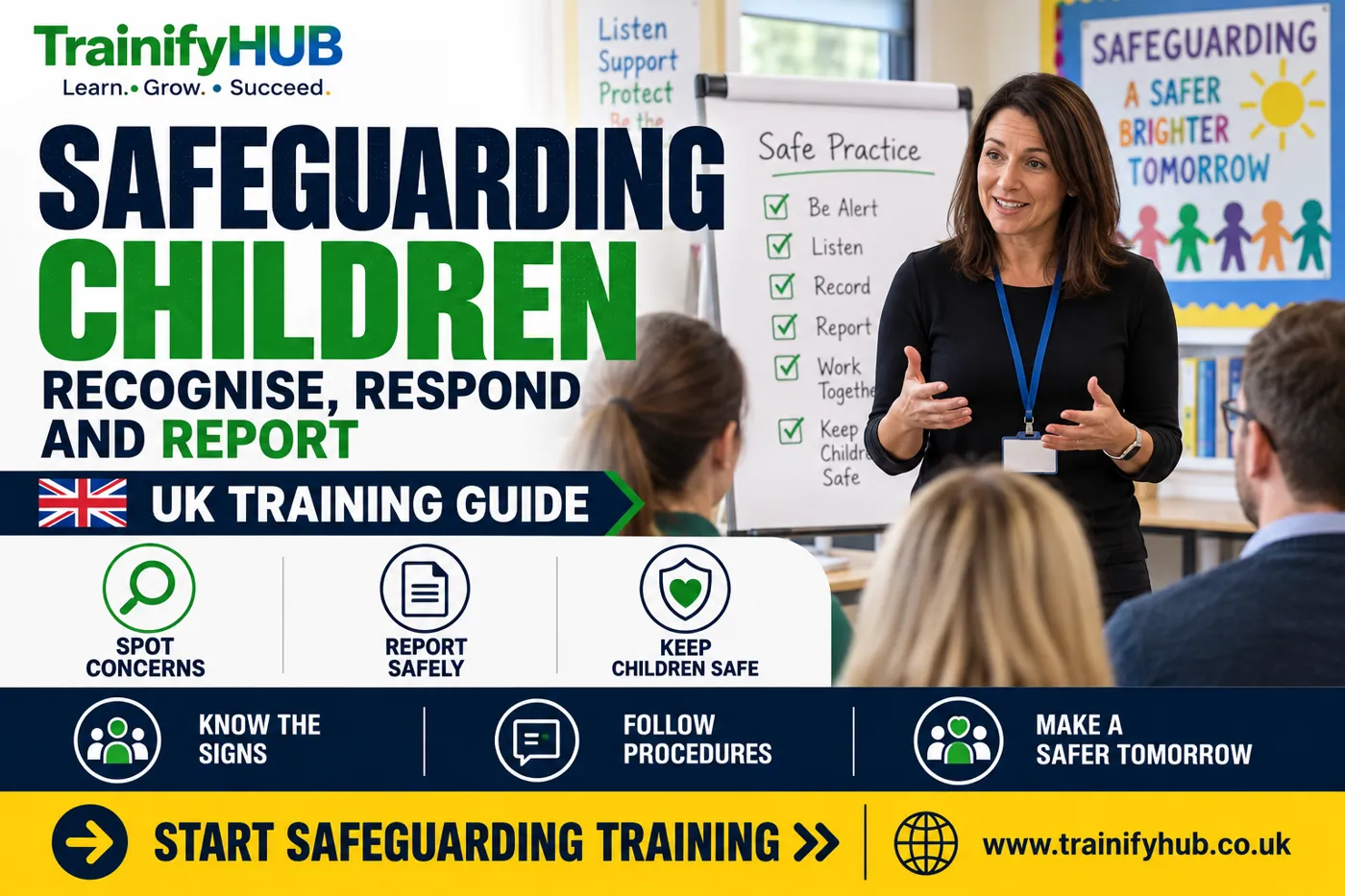
Safeguarding children means protecting children from harm, promoting their welfare and taking action when there are concerns about abuse, neglect or exploitation. In the UK, safeguarding is a shared responsibility across organisations and professionals who work with children, families or young people. This guide is prepared for learners and employers comparing training options on TrainifyHUB. This guide is prepared for learners and employers comparing training options on TrainifyHUB.
This guide explains the definition of safeguarding children, common warning signs, reporting steps, training levels and how online awareness learning can support safer practice.
Key Takeaways
Safeguarding children is broader than responding to abuse; it includes prevention, early help and promoting welfare.
Anyone working with children should know how to recognise concerns, record them accurately and report them through the right route.
Training levels should match the person's role, contact with children and safeguarding responsibility.
A safeguarding children course can support awareness and records, but it does not replace local policies, supervision or statutory procedures.
If a child may be at immediate risk, staff should follow emergency and safeguarding procedures without delay.
What is the definition of safeguarding children?
Safeguarding children means taking action to protect children from maltreatment, prevent impairment of health or development, make sure children grow up with safe and effective care, and take action to enable the best outcomes. GOV.UK's statutory guidance Working Together to Safeguard Children sets out how agencies should work together in England. For related TrainifyHUB guidance, see health and social care training. For official context, see Working Together to Safeguard Children. For source context, see Working Together to Safeguard Children. A relevant TrainifyHUB course option is the Care Certificate One Portfolio course. For related reading, see the domiciliary care guide.
In plain English, safeguarding means noticing when something may be wrong, listening properly, sharing concerns with the right person and keeping the child's welfare at the centre of decisions.
Who needs to understand children's safeguarding?
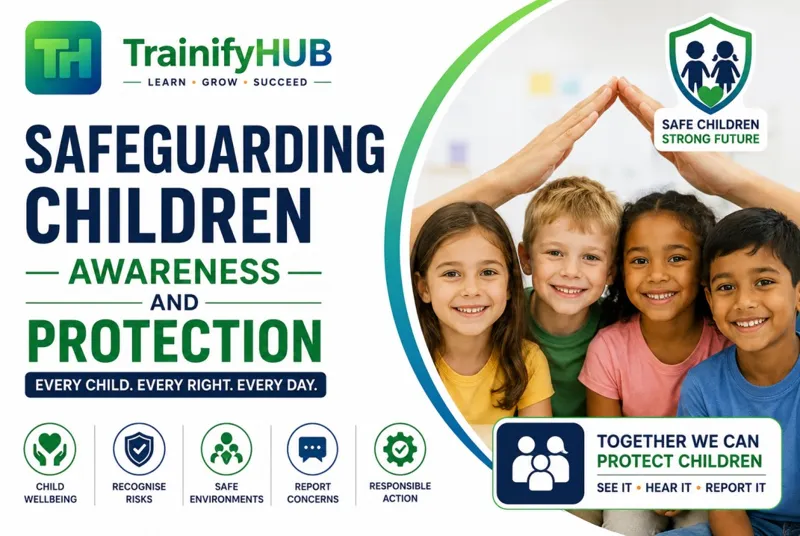
Safeguarding is relevant to many roles, not only social workers or teachers. It can apply to childcare workers, school staff, healthcare staff, sports coaches, youth workers, care staff, volunteers, transport teams, reception staff and managers. For structured learning on this topic, review the Safeguarding Children Awareness and Protection course.
Role type | Safeguarding need |
Frontline workers | Recognise signs, respond calmly and report concerns. |
Supervisors and managers | Support staff, handle escalation and check records. |
Volunteers | Know boundaries, safe conduct and who to contact. |
Designated safeguarding leads | Coordinate concerns, referrals and local procedures. |
Employers | Provide suitable training, policies and safer recruitment. |
The right level of training depends on the role. Someone with occasional supervised contact may need introductory awareness. Someone making safeguarding decisions needs deeper, role-specific training.
What risks and signs should staff recognise?
Children may be harmed through physical abuse, emotional abuse, sexual abuse, neglect, exploitation, online harm, domestic abuse exposure or unsafe care. Signs can be physical, emotional, behavioural or environmental. A useful source for checking this point is NSPCC child protection system.
Examples include unexplained injuries, repeated hunger, poor hygiene, sudden fearfulness, age-inappropriate sexualised behaviour, withdrawal, aggressive changes, missing education, reluctance to go home, or a child saying something that suggests harm. A single sign may not prove abuse, but it should be taken seriously and recorded.
The NSPCC provides helpful child-protection learning resources and guidance for recognising signs of abuse: NSPCC safeguarding and child protection. Use such resources for awareness, then follow your organisation's own reporting process.
What should you do if you have a safeguarding concern?
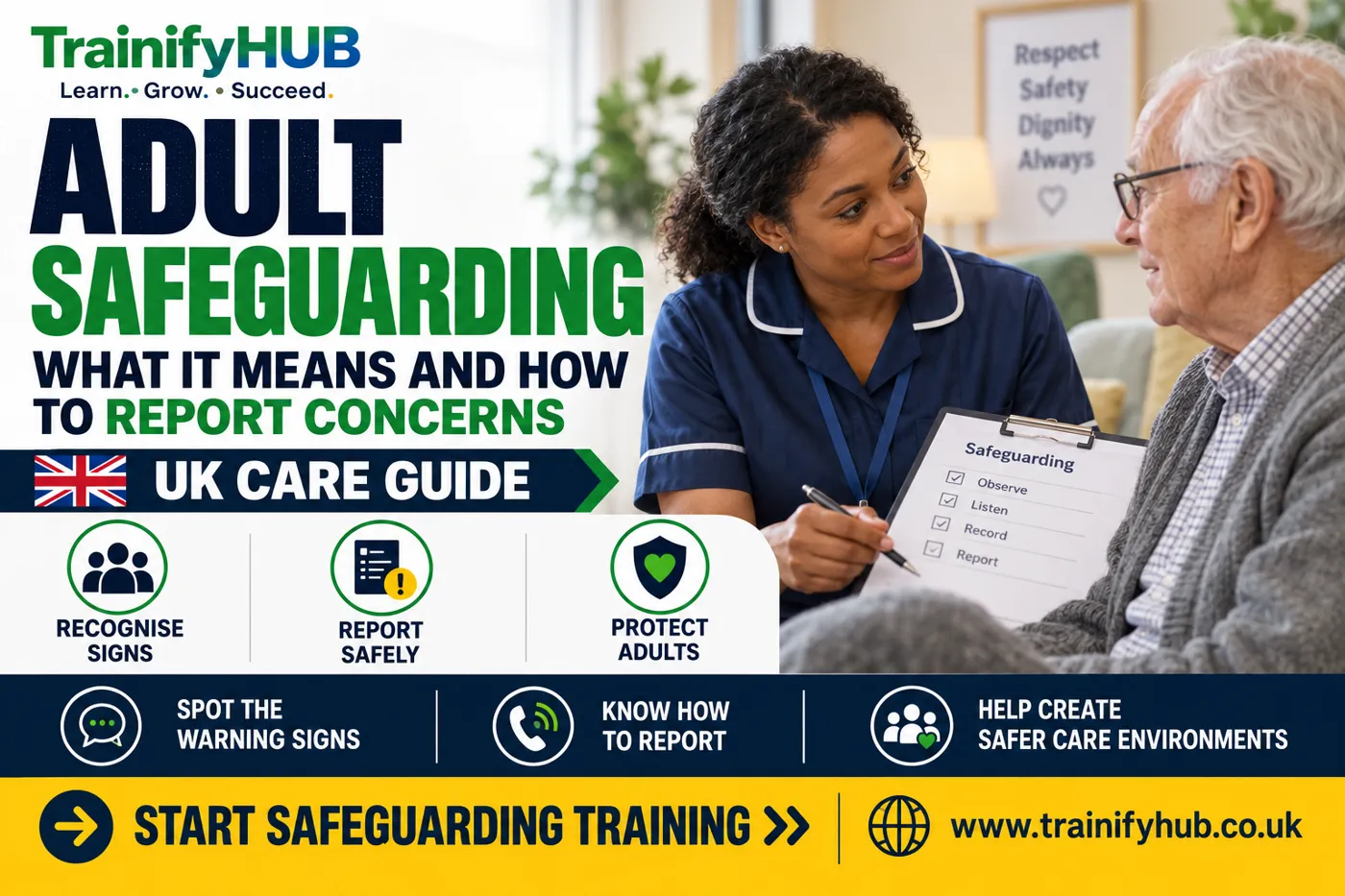
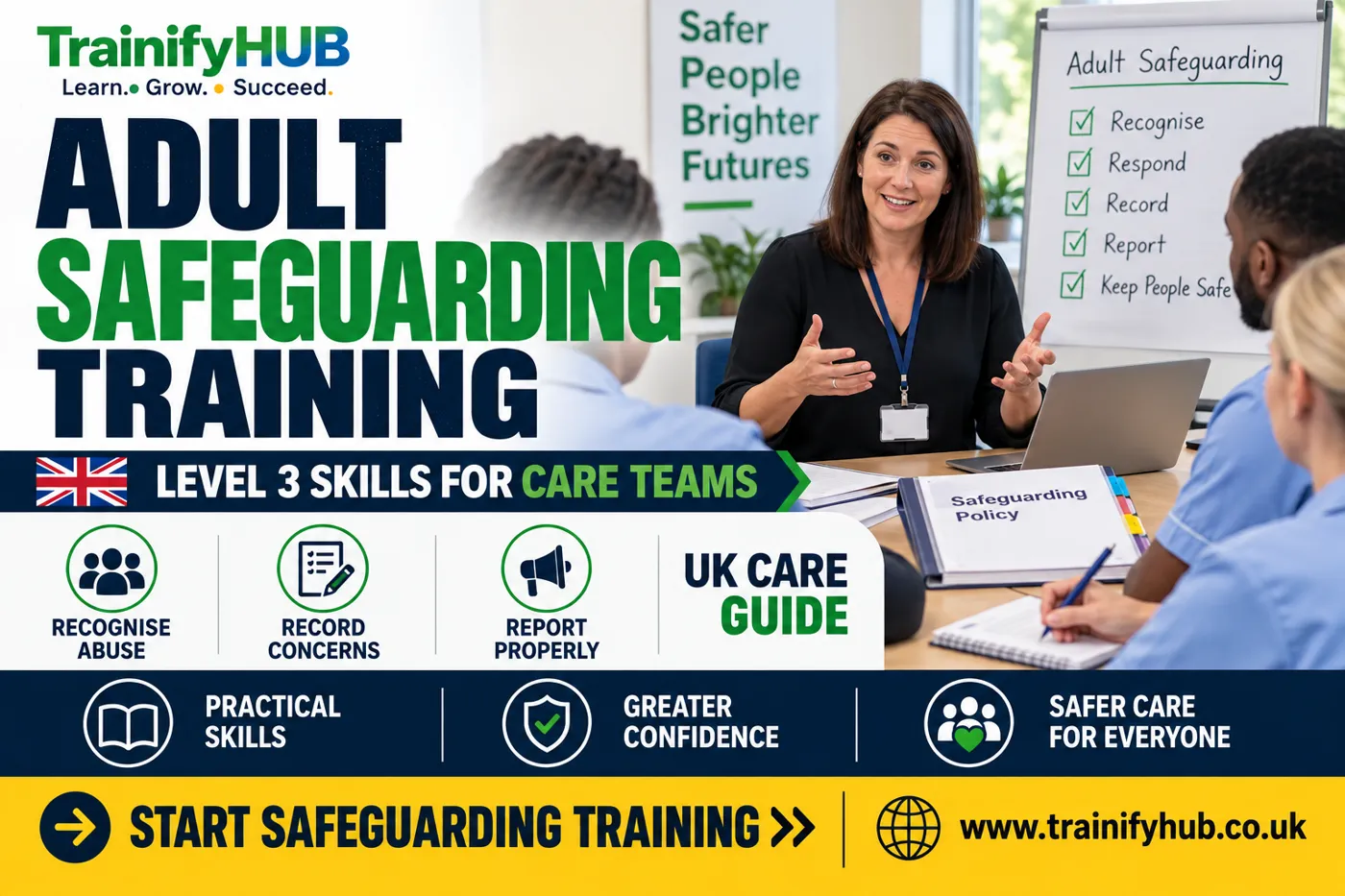
Do not investigate the concern yourself. Your job is to listen, record and report. A related TrainifyHUB option is the Adult Safeguarding Awareness and Protection course.
Respond calmly. If a child speaks to you, listen and avoid making promises you cannot keep.
Check immediate safety. If there is immediate danger, follow emergency procedures.
Record accurately. Write down what you saw or heard, using the child's own words where possible.
Report to the right person. Follow your safeguarding policy, usually through a designated safeguarding lead or manager.
Escalate if needed. If you believe a concern is not being handled properly, follow your escalation or whistleblowing route.
Good safeguarding records are factual. Avoid guessing motives, diagnosing a family situation or adding opinions that are not supported by what happened.
For care-sector teams that need broader induction support, TrainifyHUB's health and social care training can sit alongside safeguarding children awareness.
What do safeguarding children level 1 and level 2 mean?
Training labels vary by provider and sector, so always check course outcomes rather than relying on the title alone. In general, safeguarding children level 1 is often introductory awareness for people who need to recognise and report concerns. Safeguarding children level 2 usually goes further into responsibilities, types of abuse, reporting, recording and safer working practice. For further reading, see the domiciliary care guide.
For regulated or specialist settings, employers may require additional training. Schools, healthcare services, care providers and voluntary organisations may each use their own policy wording and local safeguarding partnership routes.
How does safeguarding connect with workplace duties?
Employers should make sure staff know their safeguarding responsibilities, understand local procedures and receive appropriate supervision. Training is part of that system, but it does not replace safer recruitment, clear reporting lines, record keeping, risk assessment and management oversight. You can compare this with Keeping children safe in education.
For health and social care providers, CQC's Regulation 13 guidance covers safeguarding service users from abuse and improper treatment: CQC Regulation 13 safeguarding guidance. Where services support children or families, safeguarding procedures need to fit the setting and local authority arrangements.
How can TrainifyHUB support safeguarding children awareness?
TrainifyHUB's Safeguarding Children Awareness and Protection course supports learners who need flexible online safeguarding awareness for child-facing or family-facing roles. Teams may also find the Care Certificate One Portfolio course relevant. For source context, see NSPCC child protection system. A relevant TrainifyHUB course option is the Safeguarding Children Awareness and Protection course. A relevant TrainifyHUB course option is the Adult Safeguarding Awareness and Protection course.
Use the course as part of induction, refresher learning or training records. Employers should still confirm the training level required for the role and make sure staff know the local reporting procedure.
Learners can also browse the wider TrainifyHUB course catalogue where safeguarding connects with care, health and safety, communication and workplace training.
Conclusion
Children's safeguarding works when people recognise concerns early, respond calmly, record facts and report through the correct route. Training gives staff the shared language and confidence to do that. For another source on this area, see Children Act 1989.
To build awareness, view TrainifyHUB's Safeguarding Children Awareness and Protection course and compare it with your organisation's safeguarding policy.
Frequently Asked Questions
It means protecting children from harm, promoting their welfare and taking appropriate action when there are concerns about abuse, neglect or exploitation.
Everyone who works with or around children should understand their role. Some people only need to report concerns, while others have wider decision-making duties.
It is training that helps learners understand risks, warning signs, reporting routes, record keeping and safer behaviour around children.
Level 1 is usually introductory awareness. Level 2 usually gives more detail on responsibilities, reporting and practice, but course outcomes vary by provider.
Listen calmly, avoid promising secrecy, record what was said and report it through your safeguarding procedure. If there is immediate danger, seek urgent help.
No single certificate proves compliance. It can support training records, but organisations still need suitable policies, supervision, reporting routes and safer working arrangements.